Pays-d’Enhaut Museum
Swiss Paper Cutting Center
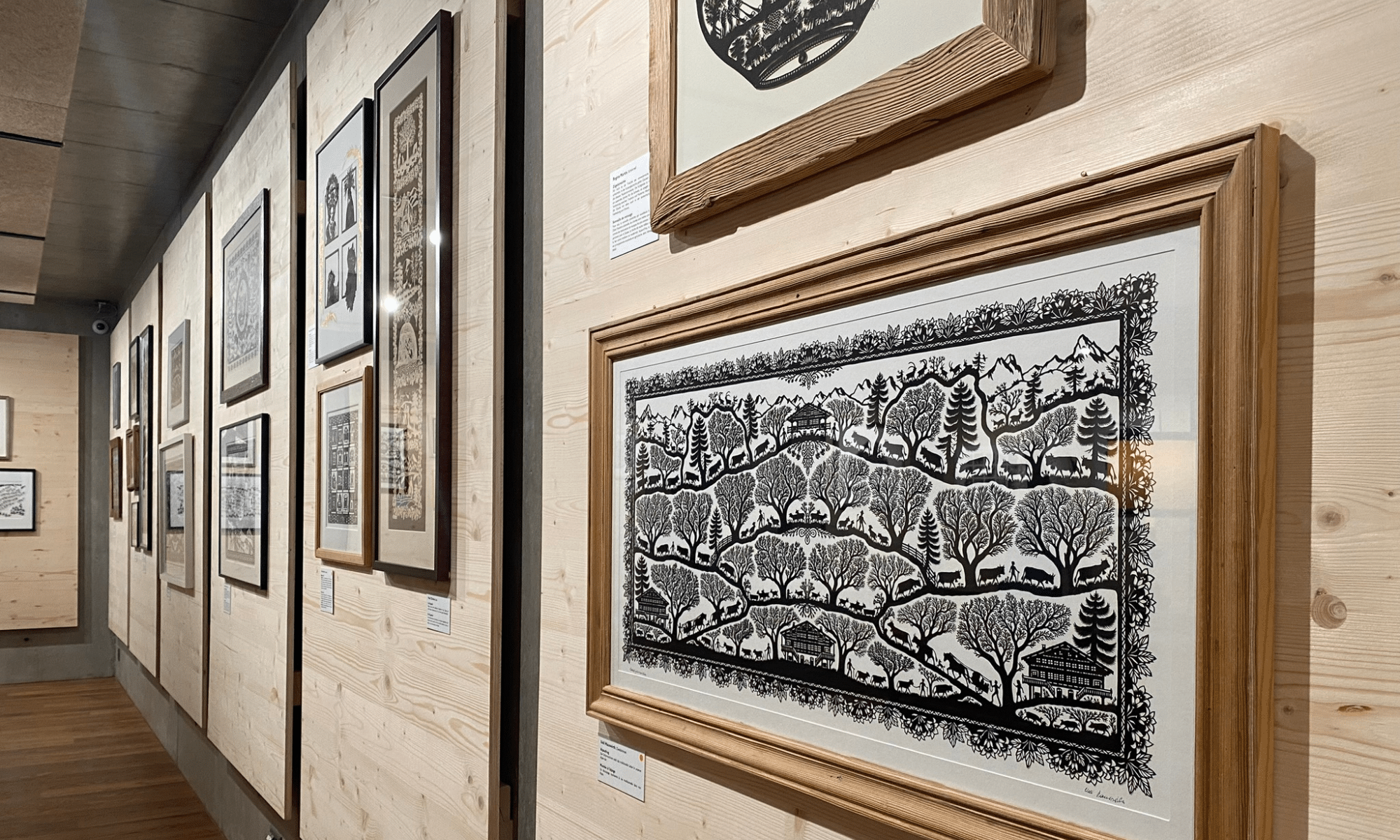
In the heart of Château-d’Œx, the Musée du Pays-d’Enhaut and the Swiss Paper Cutting Center invite visitors to immerse themselves in the mountain life of yesteryear. Painted furniture, antique tools, bells, vintage skis… fifteen rooms recreate the authentic atmosphere of the chalets of yesteryear.
But the real highlight of the museum is its incredible collection of paper cutouts. This delicate art form, emblematic of the Pays-d’Enhaut region, is presented here like nowhere else, making the museum the Swiss center for this centuries-old tradition.
The art of paper cutting
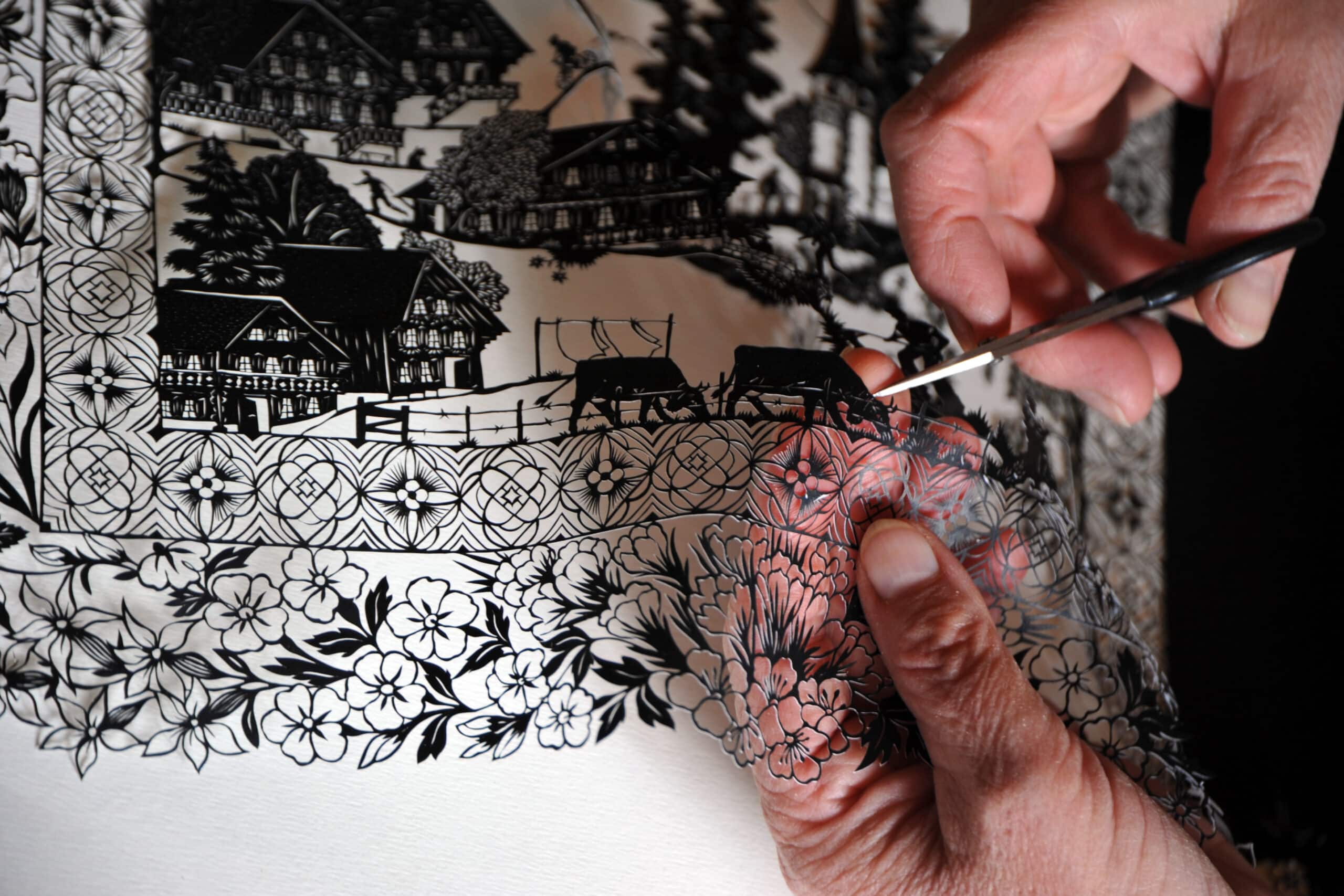
The art of paper cutting is one of the most powerful symbols of the Pays-d’Enhaut region, passed down from generation to generation. Today, this tradition continues to flourish through exhibitions, workshops, and introductory classes that invite everyone to discover this craft, which combines ancestral heritage and contemporary creativity.
Bobbin lace
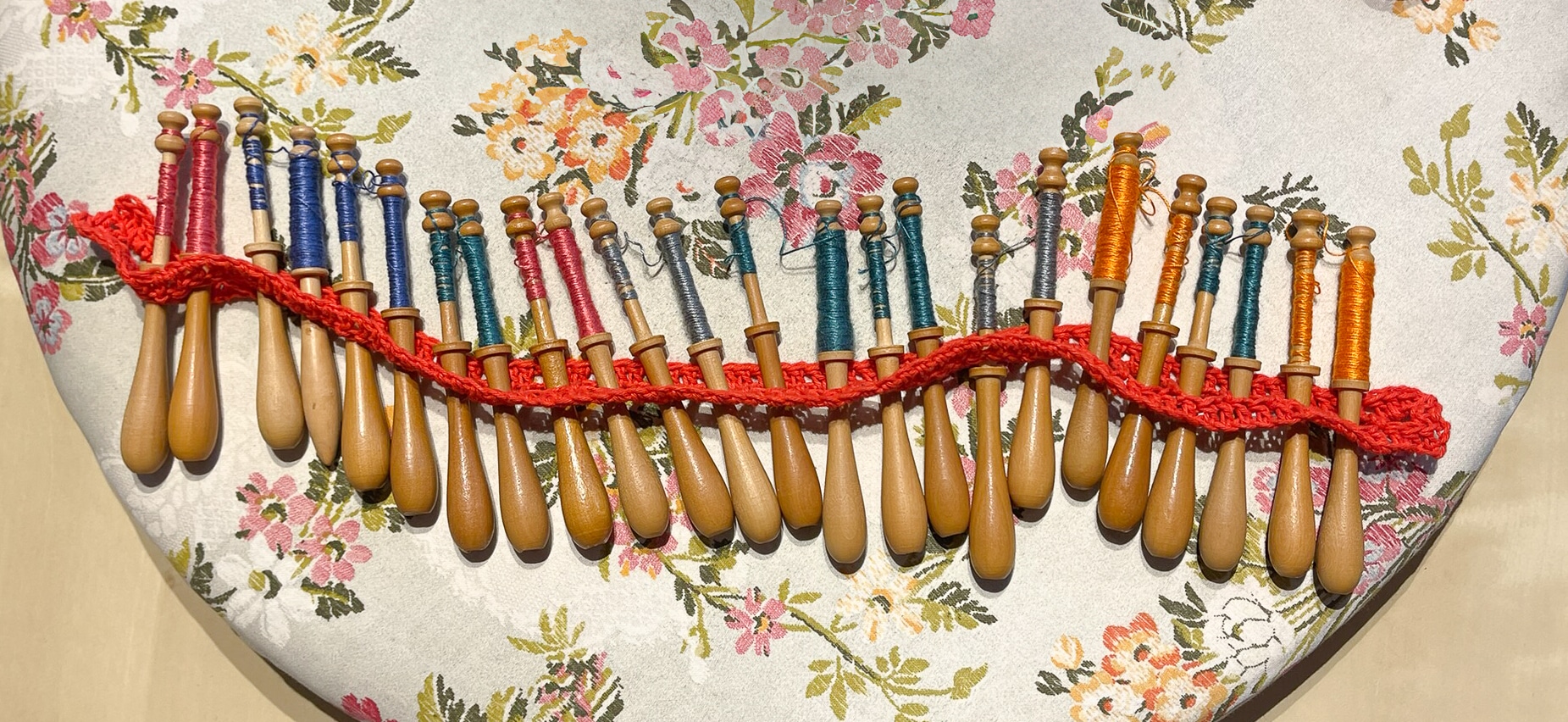
Bobbin lace perpetuates a delicate craft that has long been part of everyday life in the Pays-d’Enhaut region. Patience, precision, and meticulous movements give rise to refined patterns, a living legacy of a craft tradition that is still passed on through demonstrations and workshops.
The shingle
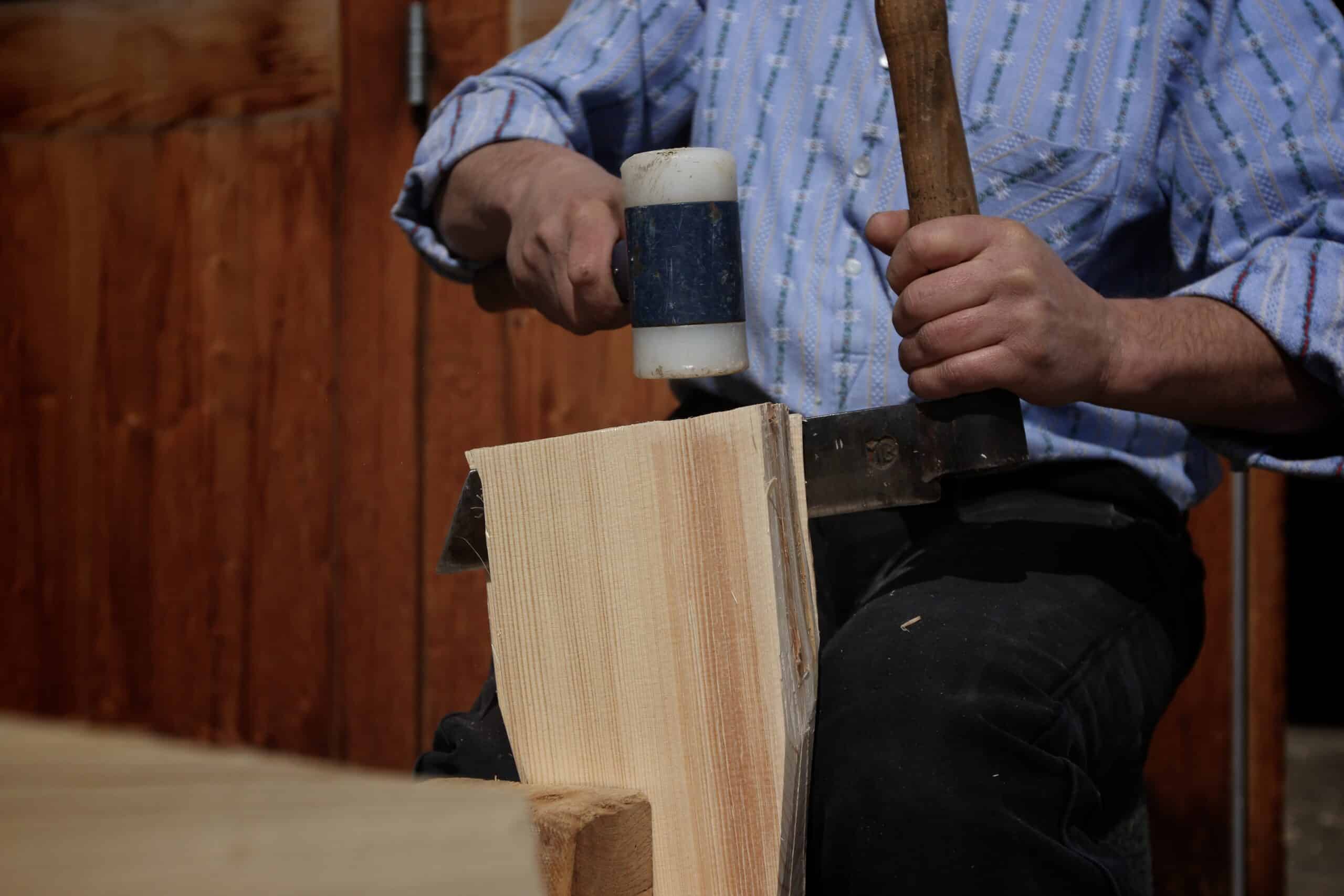
These thin wooden planks, laid one by one with precision, are an integral part of the traditional architecture of the Pays-d’Enhaut region. Tavillons have been used to cover the roofs and facades of chalets for centuries, offering both protection and natural elegance. This unique craftsmanship, still practiced by a few artisans, embodies the authenticity of mountain architecture.
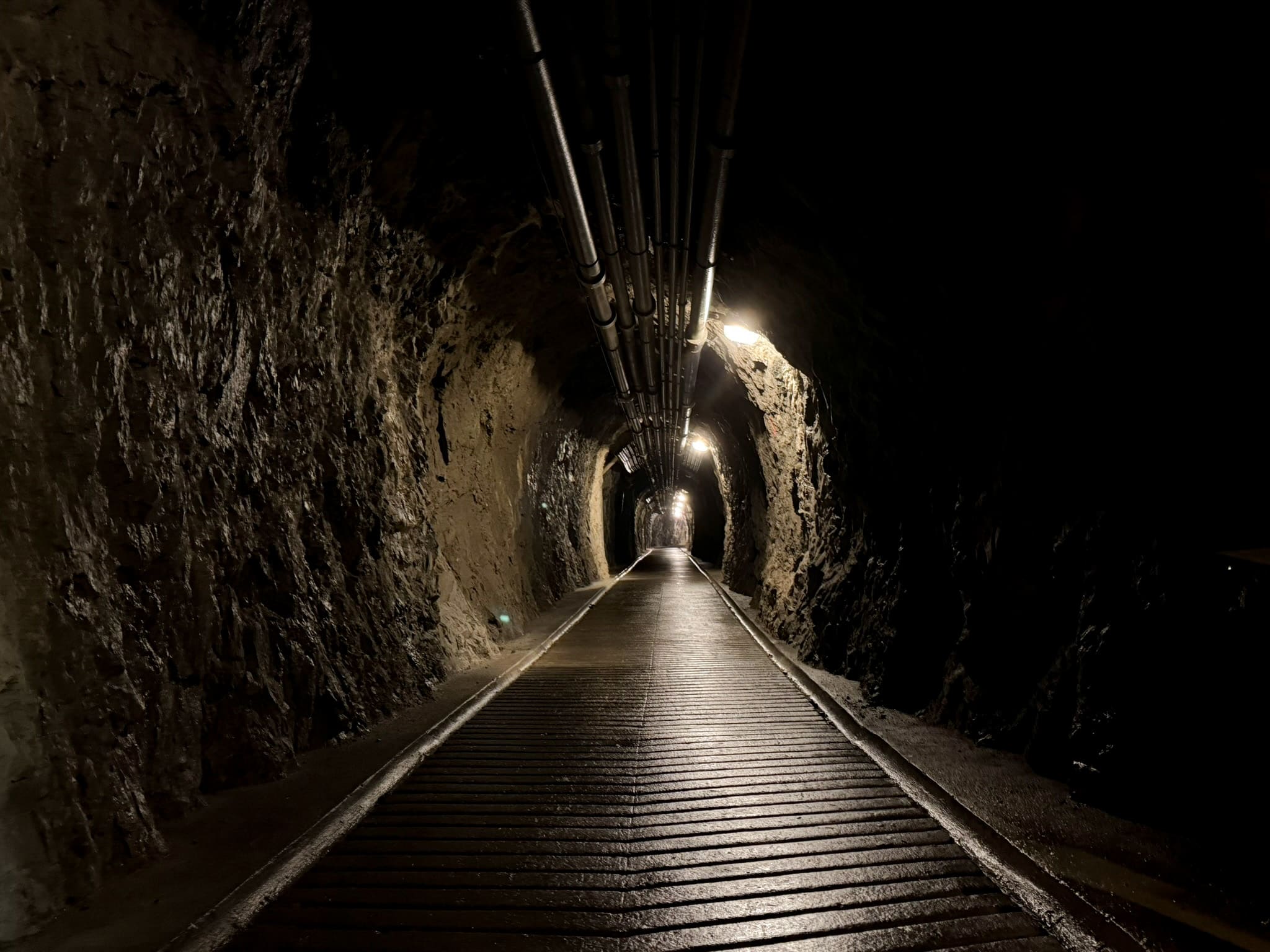
The Forts of La Tine
The Forts de la Tine reveal a little-known chapter in local history, marked by ancient defensive structures nestled in a wild landscape. These ruins, scattered above the gorges, invite visitors to take a stroll punctuated by stories and imagination. Exploring these sites means delving into the past of the Pays-d’Enhaut while enjoying spectacular natural surroundings.
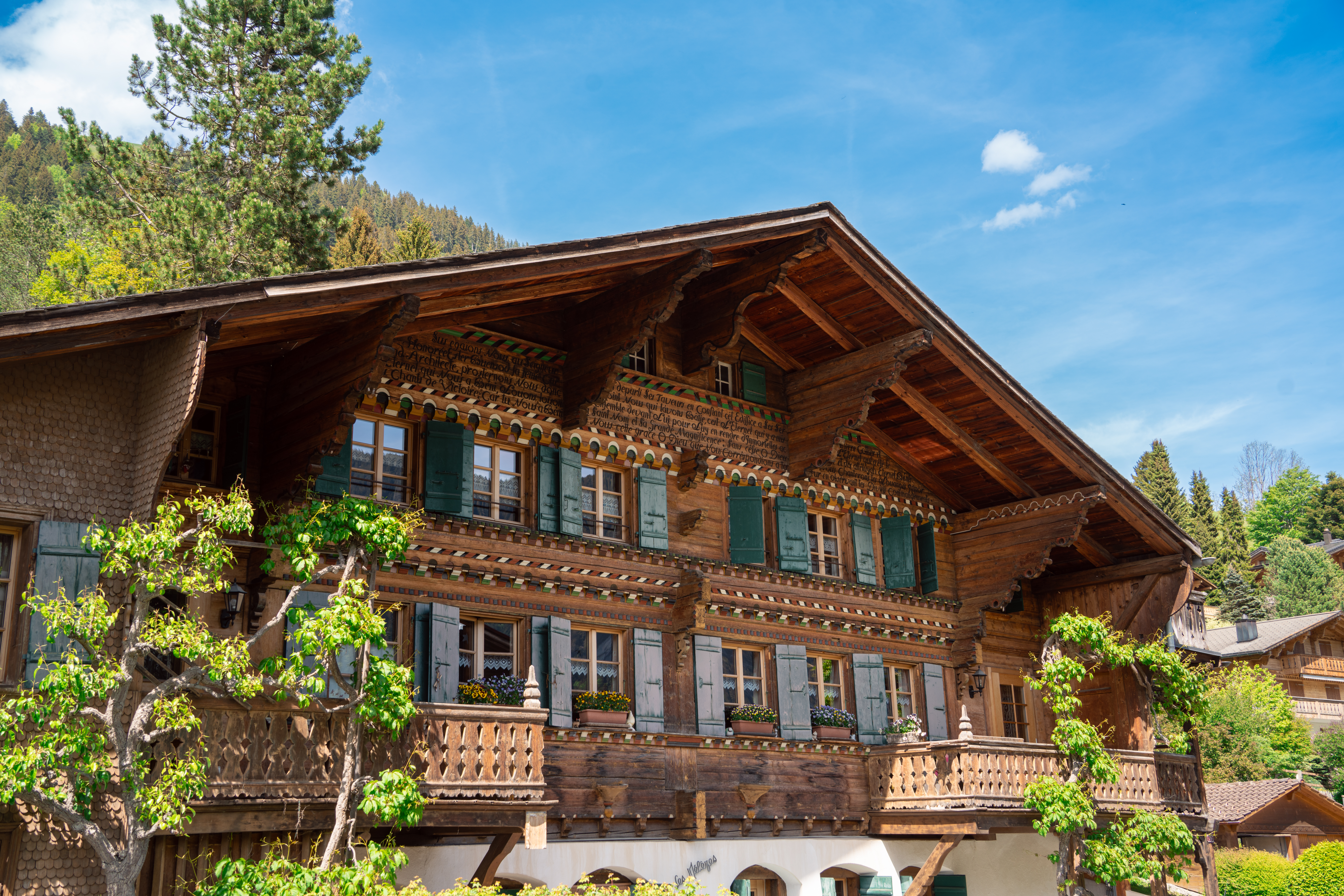
Guided tour of the villages
of the Pays-d’Enhaut
Discovering the villages of Pays-d’Enhaut, Château-d’Œx, Rossinière, and Rougemont means letting yourself be carried away by their charming narrow streets, admiring the carved wooden chalets, and feeling the true spirit of the mountains.
During a guided tour, you can immerse yourself in local history, traditions, and life in days gone by, while enjoying the stunning beauty of the Alpine setting.
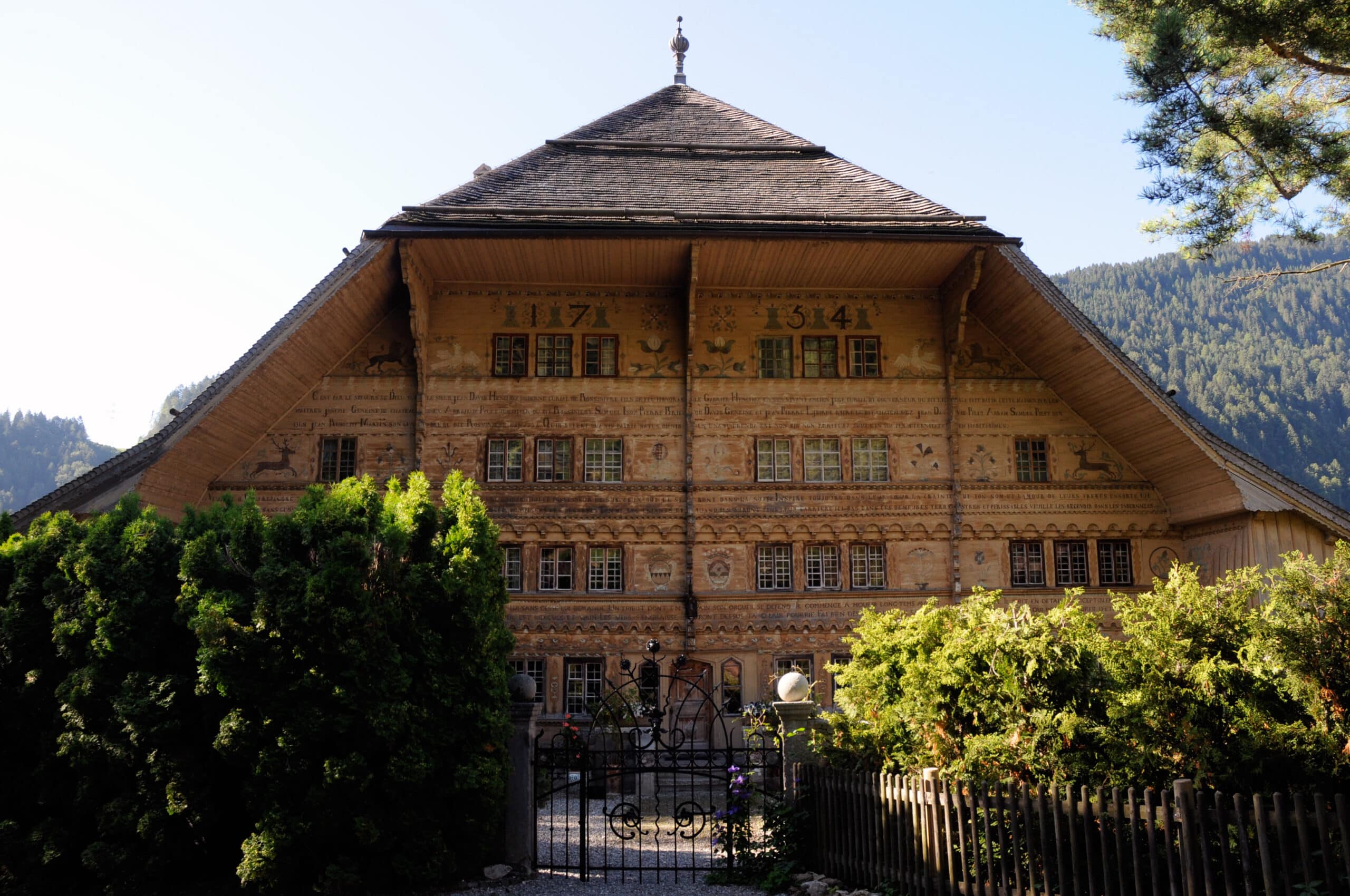
Balthus, his life and work
A discreet artist with deep ties to the Pays-d’Enhaut region, Balthus left his mark on Rossinière. The Grand Chalet, where he lived for many years, remains a symbol of his close connection to the area.
The Balthus Chapel is open to visitors and displays works, souvenirs, and tributes that trace his artistic universe. In summer, his studio opens its doors and offers a rare glimpse into his creative space, allowing visitors to immerse themselves in the painter’s sensibility and imagination.